OPC: a miracle cure?
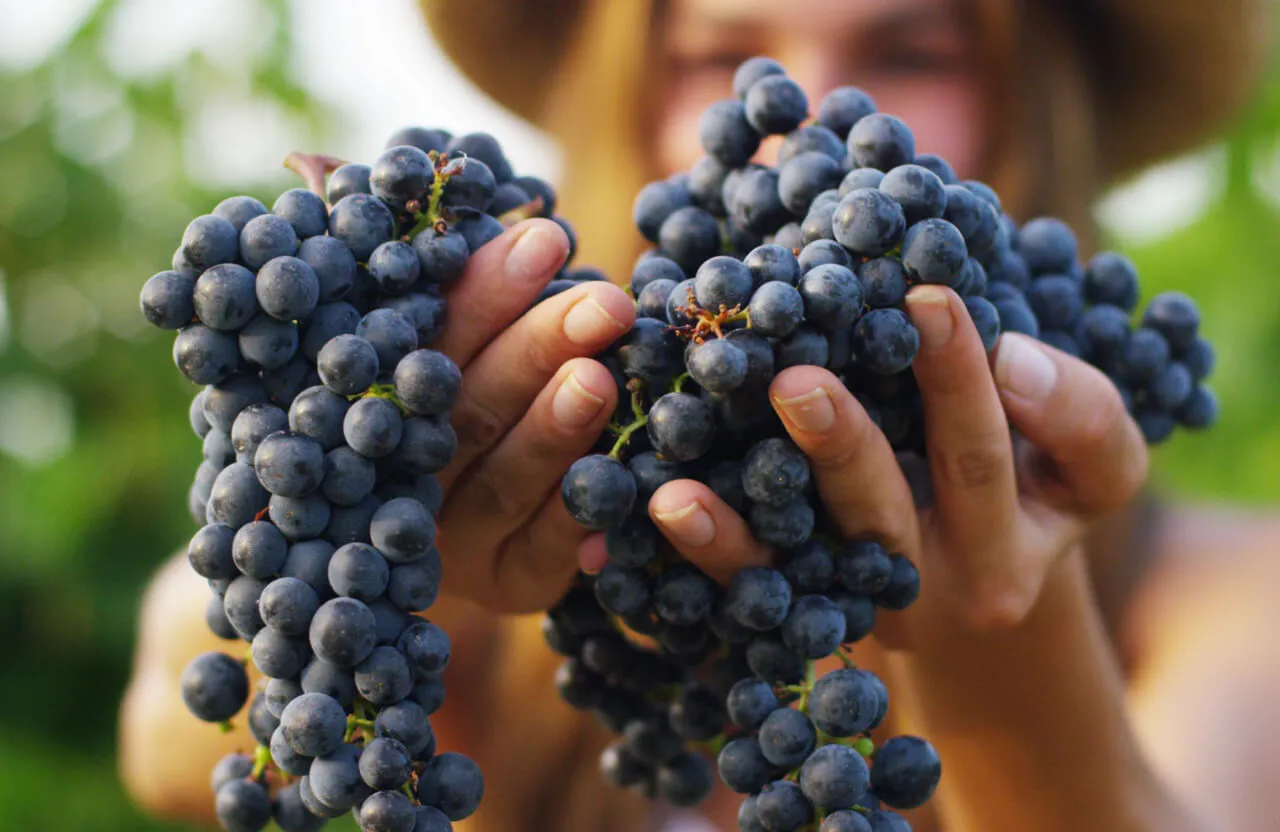
OPC is said to make you vital, beautiful and, above all, healthy: a true miracle cure, then. But what actually is this oligomeric proanthocyanidin, and why is it so good for us?
The abbreviation OPC stands for oligomeric proanthocyanidins, a natural active substance found in plants that belongs to the group of flavanols, a subgroup of the polyphenols. Proanthocyanidins occur in many different fruits, nuts and plants, such as apples, peanuts, coconuts, cranberries and green tea. In fact, however, the concentration of OPC is highest in grape seeds, which is why this micronutrient is often equated with grape seed extract.
OPC was discovered in 1948 by Jack Masquelier during a study on whether peanut skins could be used as animal feed. In animal experiments he found that these skins contain active substances that showed a positive effect in the treatment of vein disorders. He called this active substance OPC. It is a secondary plant compound that occurs particularly in seeds, skins and bark and which, like many other secondary plant compounds, mainly serves to protect plants from UV radiation, climatic conditions and predators, e.g. parasites.
An effective all-rounder.
OPC has a broad spectrum of effects in the body, which is why naturopathy holds that OPC can have a positive influence on health, wellbeing and appearance. The cosmetics industry in particular makes use of its involvement in the skin’s collagen and elastin production and its positive effect on hair growth, shine and volume, which is why OPC is also referred to as ‘cosmetics from within’. In fact, however, OPC has many other positive effects on health and stands out for its antioxidant, cholesterol-lowering, blood-pressure-lowering, wound-healing-supporting, anti-inflammatory, antibacterial and antifungal properties. Furthermore, cell studies suggest that OPC could inhibit tumour growth (1). Above all, though, its antioxidant properties stand out: OPC is considered one of the most powerful scavengers of free radicals (considerably more powerful than vitamins E and C, too), which would otherwise lead to cell and tissue damage and in this way also accelerate skin ageing (2, 3).
The cosmetics and food supplement industries have taken advantage of these positive effects, and the product range is correspondingly diverse today. When choosing the right product, you should therefore pay attention to the amount (the recommended daily dose for an adult is 150-500 mg) and to the quality of the extract. Furthermore, the protective effect of OPC can be multiplied with a vitamin-rich diet, and at the same time OPC also enhances the antioxidant capacity of the vitamins. To benefit from these positive interactions, you should therefore always make sure that vitamin C has been added to the grape seed extract.
- Gupta M, Dey S, Marbaniang D, Pal P, Ray S, Mazumder B. Grape seed extract: having a potential health benefits. J Food Sci Technol. 2020 Apr;57(4):1205-1215.
- Bagchi D, Bagchi M, Stohs SJ, Das DK, Ray SD, Kuszynski CA, Joshi SS, Pruess HG. Free radicals and grape seed proanthocyanidin extract: importance in human health and disease prevention. Toxicology. 2000 Aug 7;148(2-3):187-97.
- Shi J, Yu J, Pohorly JE, Kakuda Y. Polyphenolics in grape seeds-biochemistry and functionality. J Med Food. 2003 Winter;6(4):291-9.